The U.S.–Thailand Trade Debate Is Missing the Bigger Picture
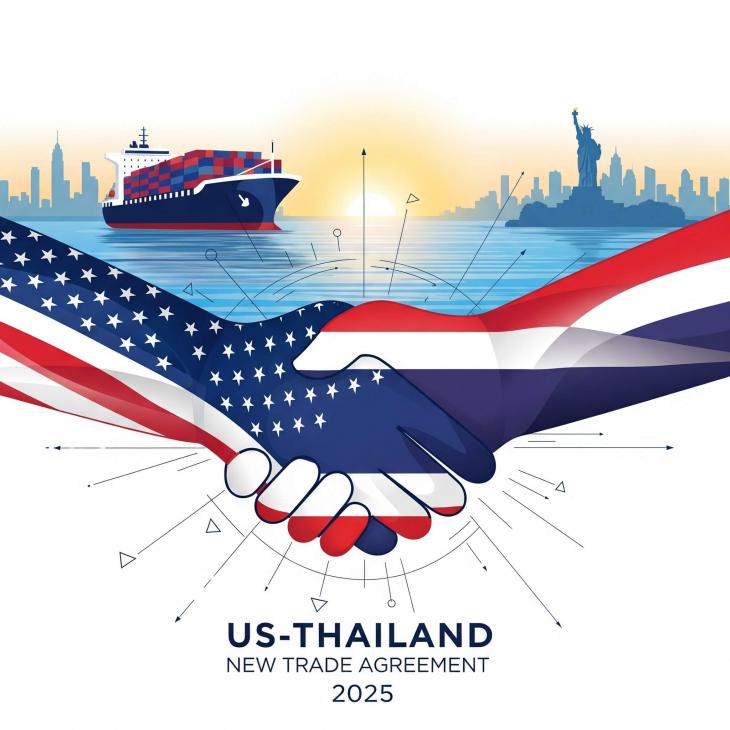
Recent headlines have focused on the U.S. government launching a Section 301 investigation into Thailand’s trade surplus with the United States.
On paper, the numbers look significant — Thailand’s trade surplus with the U.S. reached around $51 billion in 2025.
But there is an important detail often overlooked.
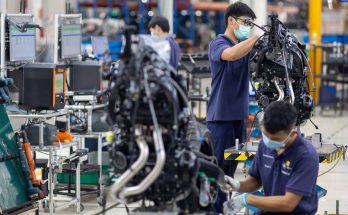
Much of that surplus is actually generated by American multinational companies operating in Thailand. These firms manufacture in Thailand, export to the U.S., and ultimately return profits to American shareholders.
In other words:
Thailand isn’t simply exporting to America — American companies are exporting from Thailand.
And this raises an interesting question:
If American companies already benefit from Thailand as a production and regional hub, why aren’t more U.S. entrepreneurs taking advantage of it?
The Little-Known Advantage: The US–Thailand Treaty of Amity
Few people outside legal or investment circles realize that American investors enjoy a unique privilege in Thailand.
Under the Treaty of Amity and Economic Relations (Thailand–United States), U.S. citizens can:
- Own 100% of a Thai company
- Operate on the same basis as Thai businesses
- Avoid many restrictions that apply to other foreign investors
In most industries, foreign investors are normally limited to 49% ownership under Thai law.
But American investors are exempt from many of those rules.
This makes Thailand one of the few countries in Asia where Americans can operate with near-local status.
Why Thailand Is Becoming More Attractive for U.S. Businesses
Several macro trends are increasing Thailand’s importance for American companies:
1. Supply Chain Diversification
Global companies are shifting production away from single-country supply chains.
2. ASEAN Market Access
Thailand sits at the center of Southeast Asia’s 700-million-person market.
3. Cost Efficiency with Infrastructure
Thailand combines developed infrastructure with competitive operating costs.
4. Strategic Position Between China and India
Many companies use Thailand as a regional headquarters or logistics hub.
The Real Opportunity: American SMEs
While large corporations have long used Thailand for manufacturing, the biggest untapped opportunity is actually American SMEs and entrepreneurs.
Examples include:
- E-commerce regional hubs
- SaaS and tech companies expanding into ASEAN
- Trading companies connecting China and Southeast Asia
- Consulting and professional services
- Import/export businesses
Thanks to the Treaty of Amity, these businesses can retain full ownership while operating locally in Thailand.
Thailand Is Not Just a Trade Partner — It’s a Platform
The current trade debate between Washington and Bangkok highlights an important truth:
Thailand is already deeply integrated into American business supply chains.
But beyond large corporations, a new generation of American founders and investors can also leverage Thailand as a platform for Southeast Asia.
And they have a legal advantage that almost no other nationality enjoys.
How UnionSPACE Helps
At UnionSPACE, we help international entrepreneurs set up and operate businesses across Asia.
For American founders, we assist with:
- Treaty of Amity company registration
- Thai company incorporation
- Corporate secretarial services
- Accounting and tax compliance
- Virtual offices and operational setup
Our goal is simple:
Help entrepreneurs launch and operate in Thailand with speed, clarity, and compliance.
Final Thought
Trade tensions come and go.
But the U.S.–Thailand business relationship has existed for nearly two centuries.
And for American entrepreneurs looking at Asia, one truth remains:
Thailand may be the easiest country in Southeast Asia for Americans to start and fully own a business.