









Thailand is not the cheapest but why many businesses are moving their manufacturing to Thailand?

Thailand is not simply a low-cost alternative — it is a strategic platform for brands that want to compete across Asia and beyond. Here is why forward-thinking companies are choosing Thailand for OEM manufacturing: Zero Factory Investment Access GMP-certified, FDA-approved facilities with no capital expenditure. Pay per production run — not per square meter of…

Read More

Installing and logging into your Digital Work Permit (BOI)

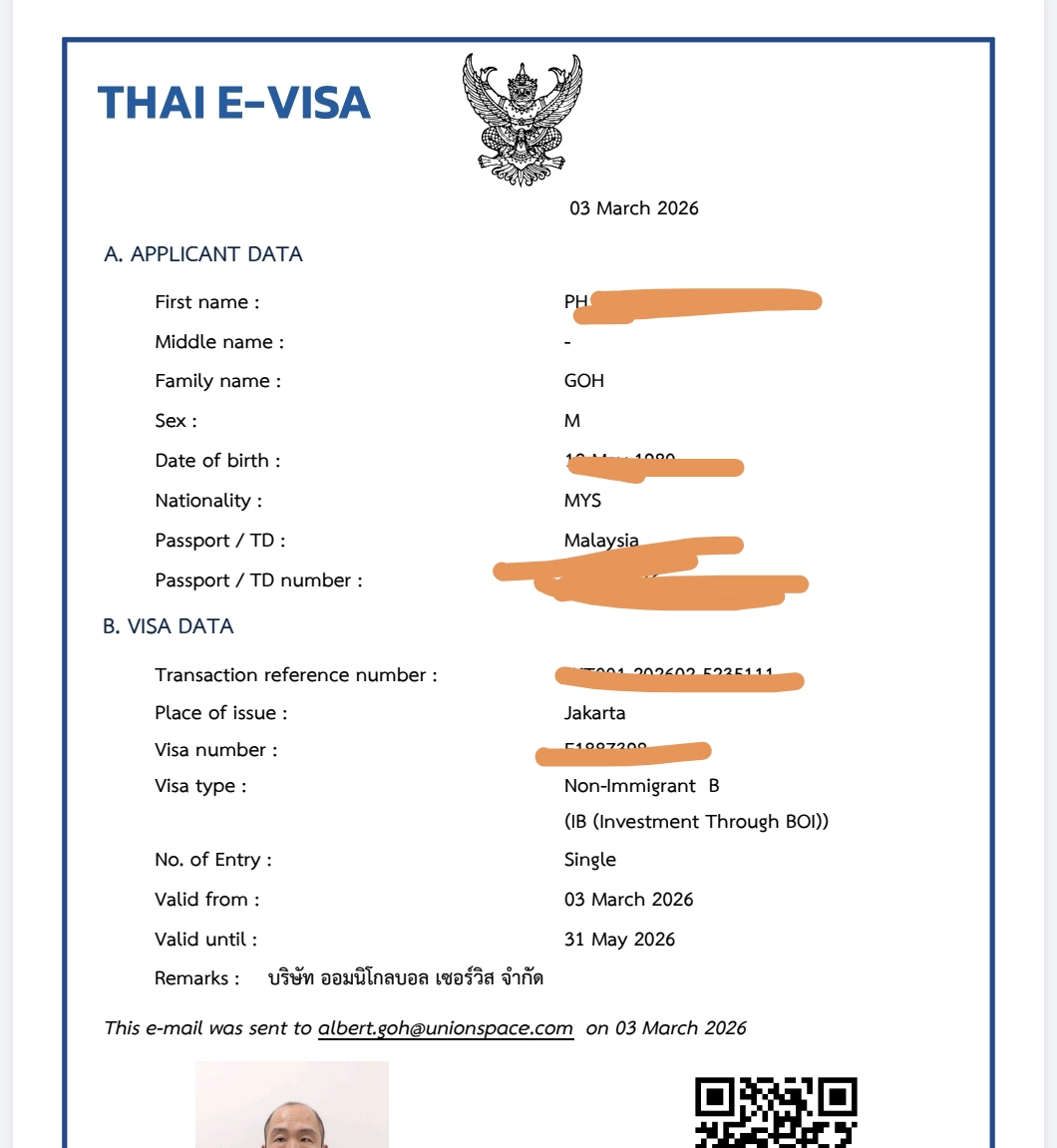
It is important to login to your Digital Work Permit app within 6 hours of the issuance of your Work Permit. What to do? If you happen to arrive on this page but you have not completed the payment for your BOI Non-B Visa and Work permit, refer to: https://unionspace.co.th/doing-business-living-bangkok/picking-up-your-non-b-visa-and-ework-permit-under-boi-application-updated-march-24-2026/

Read More

Picking up your Non-B Visa and eWork Permit (under BOI application) – updated March 24, 2026

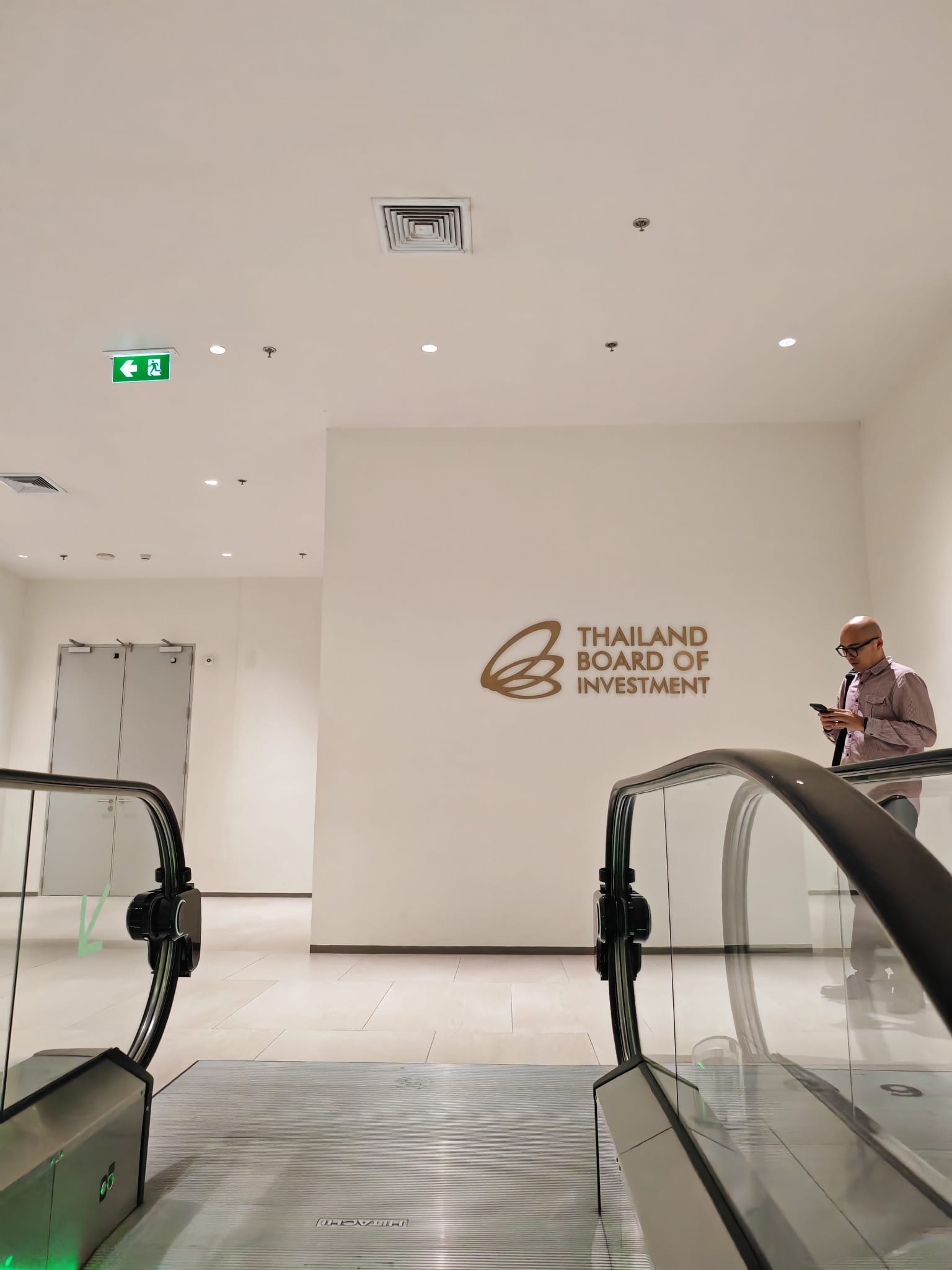
Once you have your appointment to collect your Visa and eWork Permit, arrive 30 mins before schedule and wear a collar shirt and bring your original Passport. Head to One Bangkok,  Witthayu Rd, Lumphini, Pathum Wan, Bangkok 10330 (Google map: https://share.google/PGOLY1fUYjQkkYjLQ) and once you arrive One Bangkok, go to the mall entrance then take escalator…

Read More

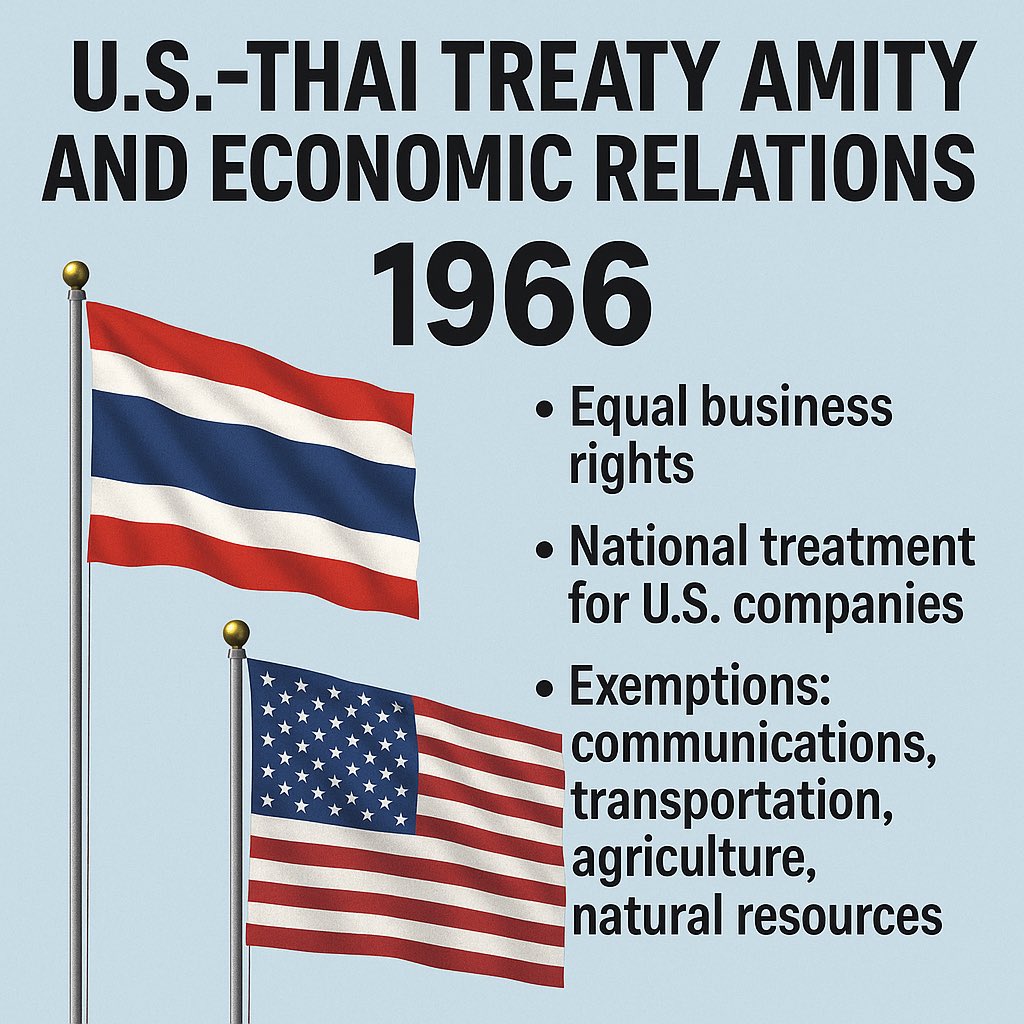
The US–Thailand Trade Debate Misses a Bigger Opportunity: The Treaty of Amity Advantage

The U.S.–Thailand Trade Debate Is Missing the Bigger Picture Recent headlines have focused on the U.S. government launching a Section 301 investigation into Thailand’s trade surplus with the United States. On paper, the numbers look significant — Thailand’s trade surplus with the U.S. reached around $51 billion in 2025. But there is an important detail…

Read More

US Treaty of Amity Company Thailand: Complete Guide for American Businesses (2026)

US Treaty of Amity Company Thailand: The Complete Guide for American Businesses For most foreigners, starting a business in Thailand comes with strict ownership restrictions. Under Thai law, foreigners are generally limited to 49% ownership in many sectors due to the Foreign Business Act (Thailand). However, American entrepreneurs enjoy a unique advantage. Thanks to the…

Read More

เหตุผลสำคัญที่ธุรกิจ WFH ต้องมีออฟฟิศในปี 2026

ช่วงหลายปีที่ผ่านมา หลายคนเชื่อว่า“ทำงานแบบ WFH ก็พอแล้ว ไม่ต้องมีออฟฟิศก็ได้” แต่เมื่อเข้าสู่ปี 2026 ความจริงกำลังชัดเจนขึ้นเรื่อย ๆ ว่าแม้รูปแบบการทำงานจะยืดหยุ่นมากขึ้นแต่ออฟฟิศ หรือสถานประกอบการจริงของบริษัทกลับมีความสำคัญมากขึ้นกว่าเดิม โดยเฉพาะในมุมของกฎหมาย ความน่าเชื่อถือ และการเติบโตของธุรกิจในระยะยาว ทำไม “ที่อยู่บริษัท” ไม่ใช่แค่เรื่องจดทะเบียนอีกต่อไป ในอดีต หลายธุรกิจมองว่าที่อยู่บริษัทเป็นเพียงขั้นตอนเอกสารขอแค่มีที่อยู่สำหรับจดทะเบียนก็เพียงพอ แต่ปัจจุบัน หน่วยงานรัฐมีการตรวจสอบเข้มงวดขึ้น เช่น กรมพัฒนาธุรกิจการค้า (DBD) และหน่วยงานอื่น ๆให้ความสำคัญกับ “สถานประกอบการที่สามารถดำเนินธุรกิจได้จริง” ดังนั้น ที่อยู่บริษัทในวันนี้ไม่ใช่แค่ตัวเลขในเอกสารแต่เป็นตัวสะท้อนความน่าเชื่อถือของธุรกิจ WFH ทำได้ แต่ “ตัวตนทางธุรกิจ” ยังต้องชัดเจน แม้ทีมงานจะทำงานจากบ้านได้แต่บริษัทก็ยังต้องมีตัวตนที่ตรวจสอบได้ ลูกค้า นักลงทุน และคู่ค้าส่วนใหญ่จะเช็คข้อมูลผ่าน: ธุรกิจที่มีสถานที่ตั้งชัดเจนมักถูกมองว่ามีความมั่นคงและมืออาชีพมากกว่า ทางออกที่เหมาะสมในยุค WFH การมีออฟฟิศในปี 2026ไม่ได้หมายความว่าต้องเช่าพื้นที่ใหญ่หรือมีพนักงานเต็มออฟฟิศทุกวัน แต่หมายถึงการมี: แนวทางนี้ช่วยให้ธุรกิจ: ทำไมออฟฟิศจึงกลายเป็น “ข้อได้เปรียบ” ทางธุรกิจ ในปี 2026 ธุรกิจที่มีสถานประกอบการจริงจะได้เปรียบในหลายด้าน เช่น WFH ทำให้การทำงานยืดหยุ่นแต่ออฟฟิศทำให้ธุรกิจ “มั่นคง”…

Read More

Remote Work Didn’t Kill the Office — It Made It More Important

For years, the narrative was simple:“Remote work will replace offices.” But as we move deeper into 2026, the global business landscape is telling a different story. Remote and hybrid work are here to stay — yet companies around the world are rediscovering something important: 👉 Physical business presence still matters. Not just for productivity.Not just…

Read More

Navigating Foreign Dividend Exemptions for Thai Companies: A Strategic Guide to Royal Decree No. 384

For Thai corporates eyeing international expansion, managing the tax friction of repatriating profits is a top-tier priority. Under the Thai Revenue Code, Royal Decree No. 384 offers a robust “participation exemption” mechanism. When handled correctly, this allows Thai companies to bring home foreign dividends without triggering local Corporate Income Tax (CIT). For CFOs and tax…

Read More

บริษัทไทยรับเงินปันผลจากต่างประเทศ “ไม่ต้องเสียภาษีเพิ่ม” ได้อย่างไร?

รู้จัก Royal Decree No. 384 ภายใต้ประมวลรัษฎากร เมื่อบริษัทไทยขยายธุรกิจไปต่างประเทศ เช่น สิงคโปร์ ฮ่องกง หรือประเทศอื่น ๆ ในภูมิภาค คำถามสำคัญคือ: กำไรที่ทำได้จากต่างประเทศ จะต้องเสียภาษีในไทยอีกครั้งหรือไม่? ข่าวดีคือ ภายใต้ ประมวลรัษฎากร และพระราชกฤษฎีกาฉบับที่ 384บริษัทไทยสามารถรับเงินปันผลจากบริษัทย่อยในต่างประเทศ โดย ได้รับยกเว้นภาษีเงินได้นิติบุคคล 100% หากเข้าเงื่อนไขที่กำหนด เงื่อนไขการยกเว้นภาษี 100% บริษัทไทยจะได้รับสิทธิยกเว้นภาษี หาก: 1️⃣ บริษัทไทยถือหุ้นในบริษัทย่อยต่างประเทศ อย่างน้อย 25%2️⃣ ถือหุ้นมาแล้ว ไม่น้อยกว่า 6 เดือน3️⃣ บริษัทย่อยในต่างประเทศเสียภาษีในประเทศนั้น ๆ ในอัตรา ไม่น้อยกว่า 15% หากครบทั้ง 3 ข้อ เงินปันผลที่โอนกลับมาไทยจะ ไม่ต้องเสียภาษีเงินได้นิติบุคคลในไทยอีก ทำไมเรื่องนี้สำคัญกับบริษัทไทย? อัตราภาษีนิติบุคคลในไทยอยู่ที่ 20%หากไม่มีสิทธิยกเว้นนี้ บริษัทอาจต้องเสียภาษีซ้ำซ้อนจากกำไรที่ทำในต่างประเทศ แต่ด้วย Royal Decree No….

Read More

The Costly Mistake Many Businesses Make With Offices in Thailand

Every year, thousands of companies register in Thailand — startups, SMEs, and international businesses alike. Many do everything right: they incorporate properly, open bank accounts, and set up accounting. But there is one costly mistake that continues to cause delays, rejections, and compliance issues: 👉 Choosing the wrong office setup at the beginning. As Thailand…

Read More

Ultimate Playbook for Foreigners Building Business in Thailand

Reading time: ~5 minutes Thailand remains one of Asia’s most compelling and strategic destinations for foreign founders, investors, and regional operators. Strong domestic demand, central ASEAN positioning, and a structured legal system make Thailand highly attractive but only for those who set up correctly from day one. Every year, capable foreign-led businesses fail in Thailand…

Read More