
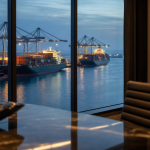




Over the past few decades, the United Arab Emirates has transformed from an oil-exporting nation into one of the world’s leading global trade gateways — a hub linking logistics routes across Asia, Europe, and Africa. With world-class infrastructure, modern ports, major airports, and an open, liberal economic policy, the UAE — and Dubai in particular — has become a critical gateway for the movement of goods and services in the 21st century.
Why the UAE Became a Global Trade Gateway
1. A prime geographic location. Dubai sits at a strategic crossroads between South Asia, the Middle East, and Europe. With an average flight time of just eight hours to roughly two-thirds of the world’s major cities, it has become a logistics hub capable of distributing goods across every continent.
2. Fully integrated infrastructure. Dubai’s logistics backbone is among the most advanced anywhere:
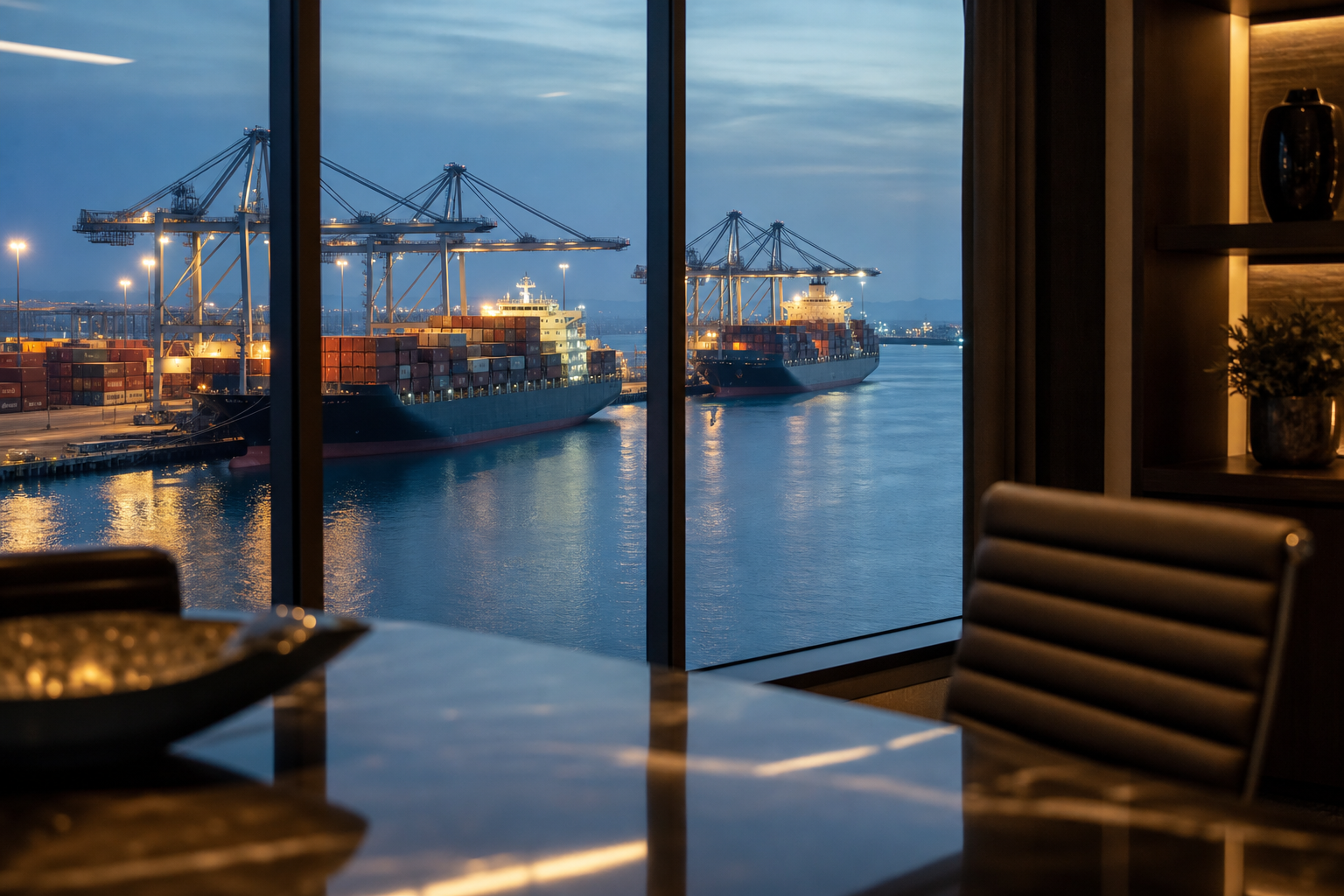
- Jebel Ali Port — the largest commercial port in the Middle East, which returned to the world’s top 10 in 2023 (per Alphaliner) with throughput of over 14.47 million TEU per year.
- Dubai International Airport (DXB) — the world’s busiest airport for international passengers, handling a record 92.3 million travelers in 2024.
- Al Maktoum International Airport (DWC) — Dubai’s air-cargo hub, currently handling around 1 million tonnes per year, with plans to scale to 12 million tonnes per year once fully developed in the coming decade.
Connecting these airports with Jebel Ali Port and the 900-kilometer Etihad Rail network turns Dubai into a true multimodal logistics hub — combining sea, air, and rail in a single city.
A New Logistics Route: Asia to Europe via the UAE
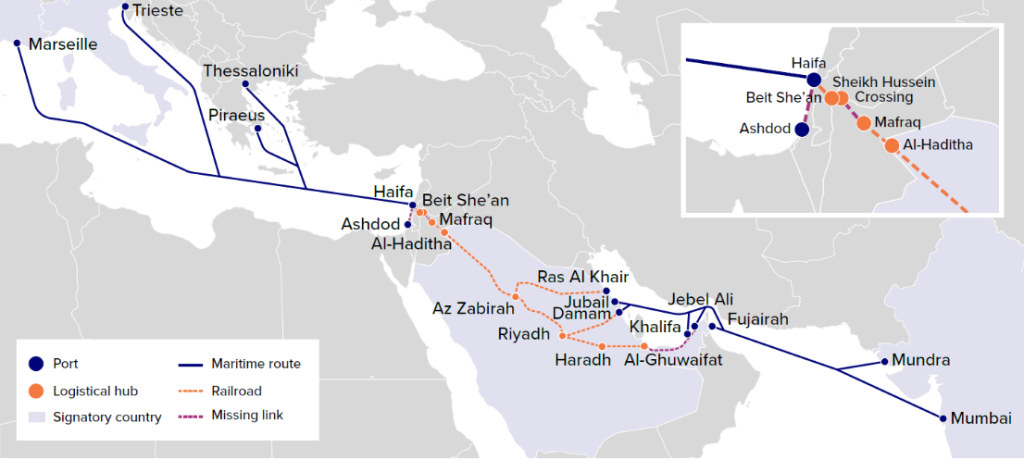
The UAE plays a central role in the India–Middle East–Europe Economic Corridor (IMEC), a partnership first announced at the 2023 G20 summit between India, Saudi Arabia, the UAE, Israel, and the European Union. Its goal is to build new rail and sea routes connecting the Indian Ocean to the Mediterranean.
If realized, the project could cut shipping times between Asia and Europe by more than 40% and cement the UAE’s role as a regional trade pivot. IMEC remains in development and is subject to geopolitical factors, but analysts widely expect it to reshape global trade routes over the next decade.
Opportunities for Businesses and Investors
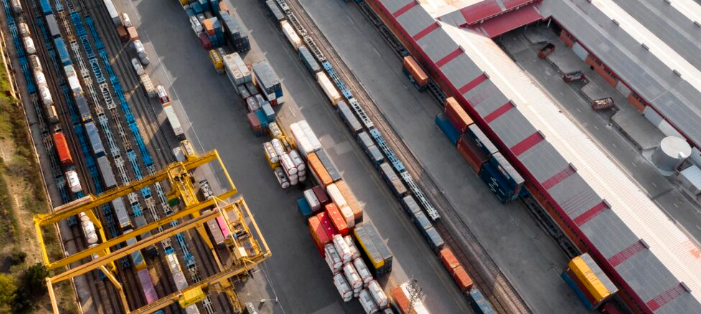
Logistics and supply chain. Shipping firms and warehouse operators can use the UAE as a central base for distribution into Europe and Africa — especially the Jebel Ali Free Zone (JAFZA), which connects directly to both port and airport.
Light manufacturing. Zones like Dubai Industrial City and KIZAD (Abu Dhabi) suit medium-to-large manufacturing businesses, offering 100% foreign ownership and tax incentives.
Trade and services. Entrepreneurs from Asia — Thailand included — can use Dubai as a re-export hub to distribute goods into European, African, and Middle Eastern markets at lower cost.
Government Support and Economic Structure
The UAE continues to invest heavily in infrastructure built for the global economy. Key players include DP World, a global port operator with a network across more than 70 countries; the Dubai Customs Smart System (Smart Customs / iDeclare), which streamlines and adds transparency to customs processes; and 40-plus free zones offering 100% foreign ownership, tax benefits, and fast-tracked permits. The government is also investing in smart logistics technology — AI tracking systems, blockchain trade facilitation, and smart ports — to boost the efficiency of trade and transport.
The View for Thai Entrepreneurs
For Thai business owners, Dubai and Abu Dhabi aren’t just new markets — they’re a gateway to international trade. Thai businesses in processed foods, cosmetics, agricultural products, logistics, and international services can use the UAE as a base to distribute across the Middle East and Europe. Adding to the momentum, the Thailand–UAE CEPA (Comprehensive Economic Partnership Agreement) continues to progress, and is expected to give Thai businesses easier access to Middle Eastern markets in the years ahead.
With its geographic position, world-class infrastructure, and open economic policy, the UAE — and Dubai especially — has become one of the most important trade and logistics hubs on the planet, genuinely connecting Asia with Europe through transparent policy and an integrated transport network. For Thai entrepreneurs seeking new markets and a global business base, now is an ideal time to study the opportunity and plan a move into the region.
Expanding into a new market — whether that’s a Thai business heading to Dubai or an international company entering Southeast Asia — always comes down to two essentials: getting your company legally established, and securing a professional base without locking into heavy fixed costs. Unionspace handles both. Beyond flexible serviced offices and coworking spaces, we offer full company registration services in Dubai, guiding you through licensing, free-zone setup, and the paperwork — so you can establish a 100%-foreign-owned entity and a credible business address in one place, without the usual friction. From incorporation to a desk to work from, Unionspace gives you everything you need to launch in a new market fast. Talk to us about setting up your business in Dubai →